Which Part of Bangalore is Growing Fast?
South Bangalore is growing fast, leading the city's real estate market through 2026 with an impressive annual capital appreciation rate of 10% to 15% across its primary residential and transit corridors.
While East Bangalore (Whitefield) and North Bangalore (Devanahalli) remain powerful commercial zones, South Bangalore has emerged as the fastest-growing destination for balanced, high-end living. High-income professionals and high-net-worth investors are heavily shifting capital toward the South. This shift is fueled by major transit advancements like the operational Green Line extension and the upcoming Pink Line Metro, alongside unmatched access to reliable Cauvery water pipelines.
For property buyers targeting strategic investments in 2026, understanding the specific growth engines and top micro-markets within South Bangalore is key. Let's look at the primary residential corridors driving this rapid urban expansion.
1. Kanakapura Road Corridor (Rapid Growth)
Once considered a quiet weekend gateway, Kanakapura Road has transformed into one of South Bangalore's most active real estate hotspots.
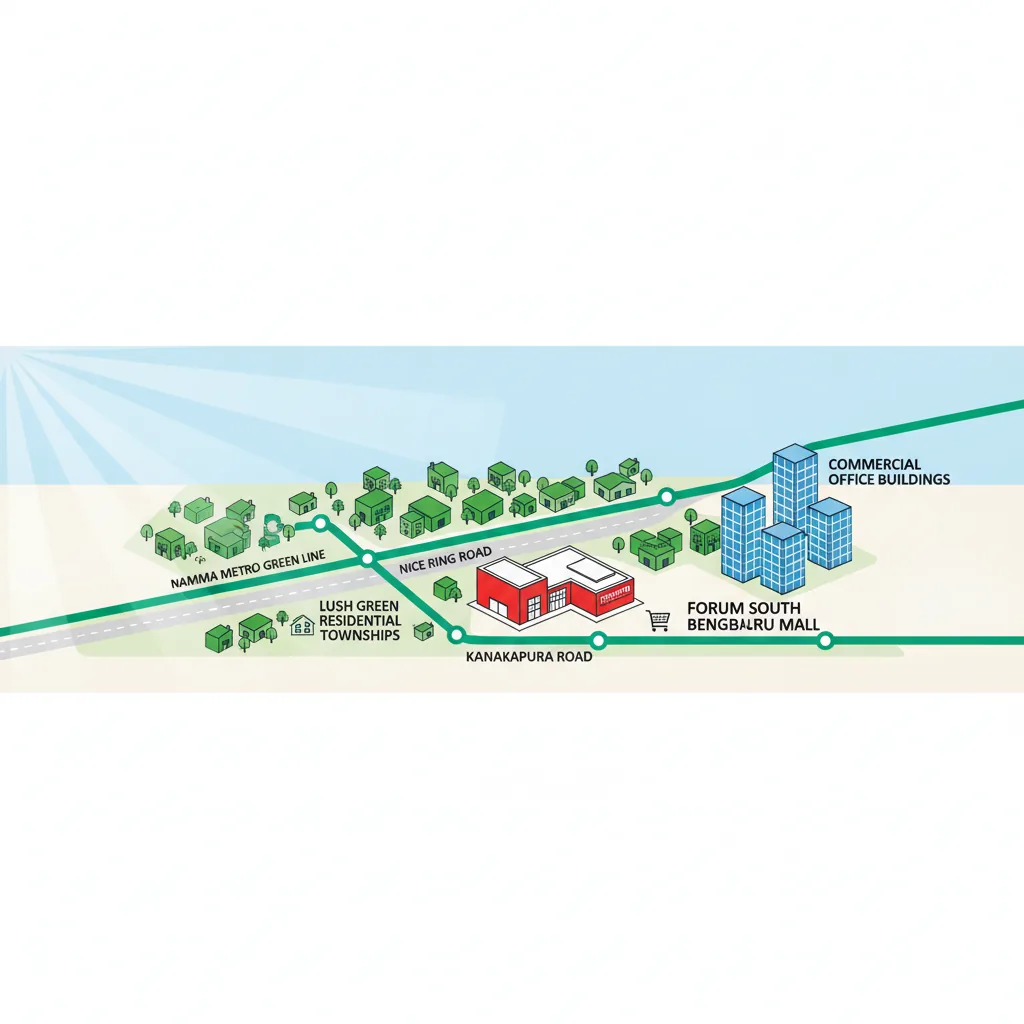
The Metro Impact: The fully operational Namma Metro Green Line extension has completely changed this micro-market. Residents can now bypass highway congestion, commuting from the deep south into central commercial districts like Jayanagar or Majestic in under 35 minutes.
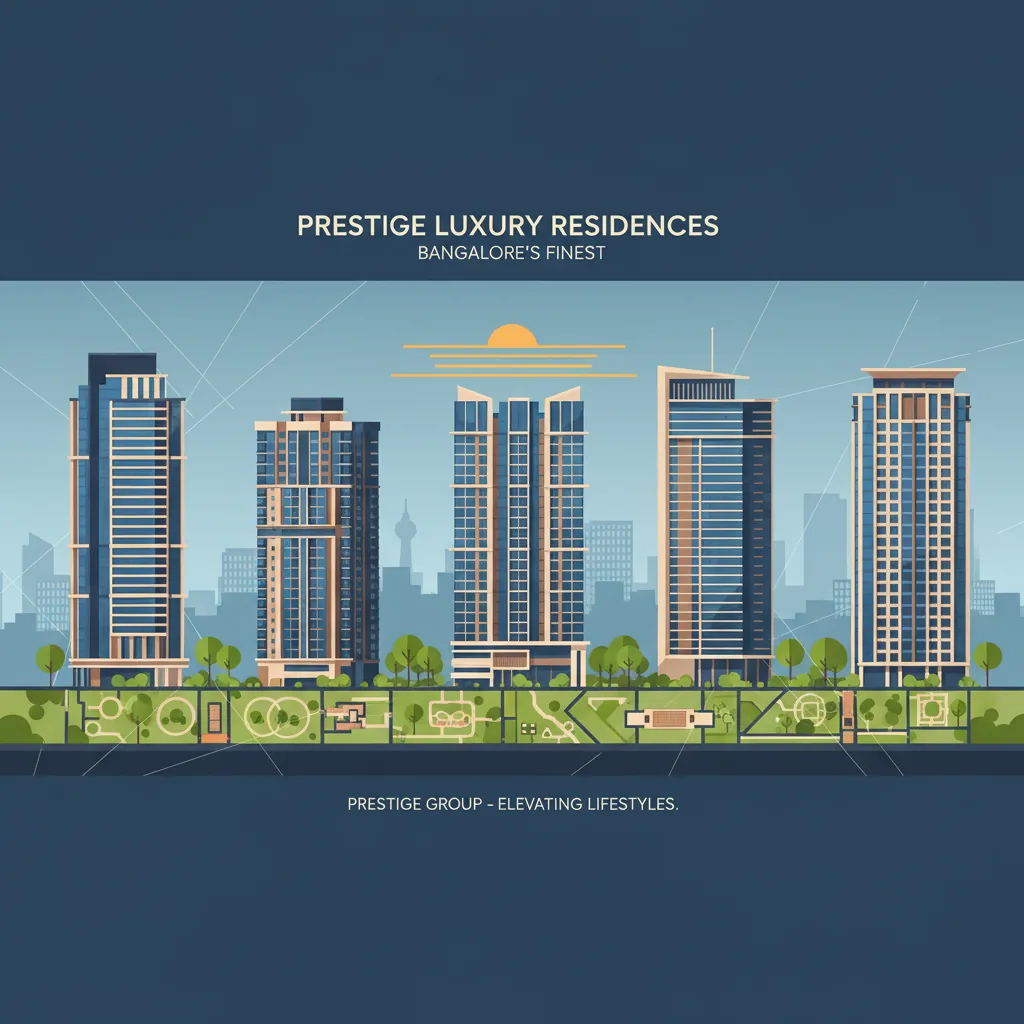
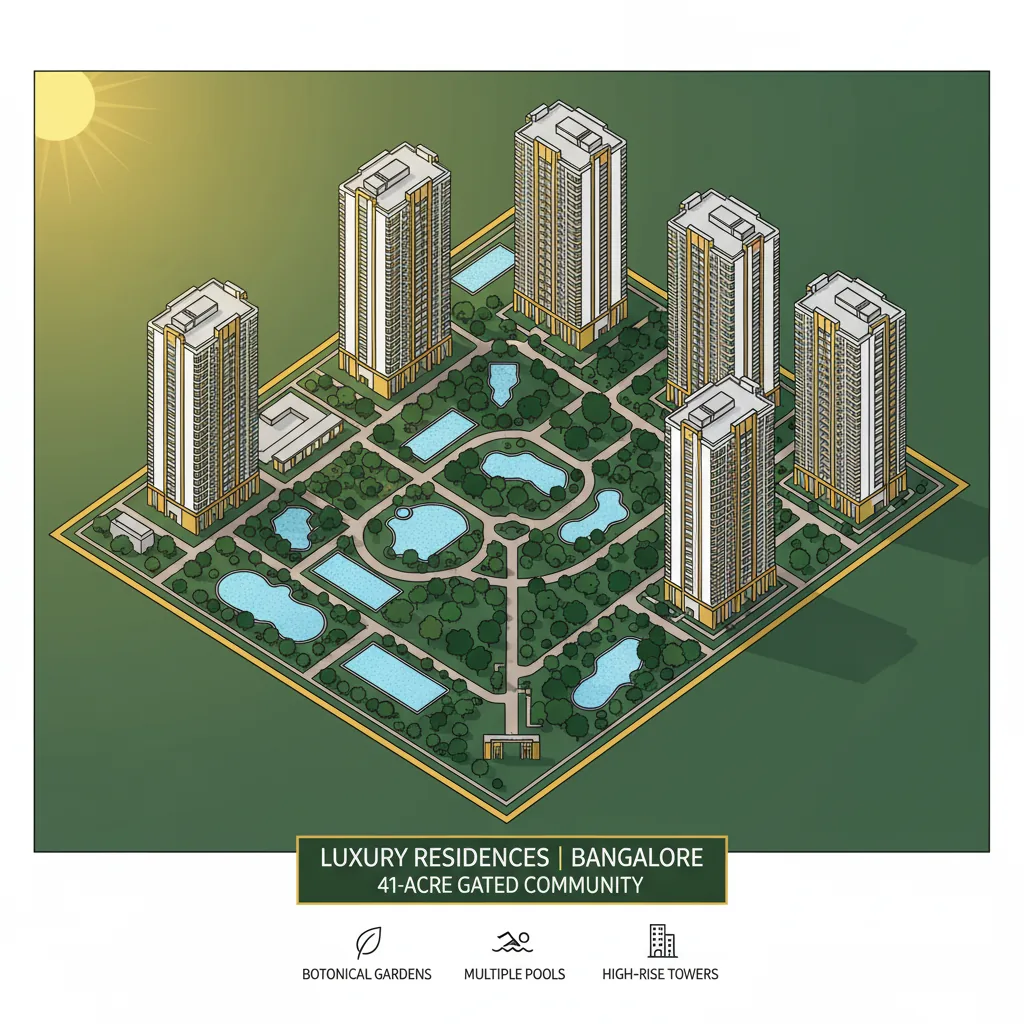
Top-Tier Townships: The area is attracting massive master-planned residential developments. A prime example is Prestige Falcon City Luxe in Konanakunte—an elite 41-acre mixed-use development featuring high-rise towers paired with immediate access to the Forum South Bengaluru Mall.
2. Bannerghatta Main Road (The Pink Line Advantage)
Bannerghatta Road is experiencing a major pricing surge, with residential property values climbing rapidly due to massive incoming infrastructure.
Transit Upgrades: The upcoming Pink Line Metro is the primary driver of growth here. It connects South Bangalore directly to central manufacturing, commercial, and northern employment hubs.
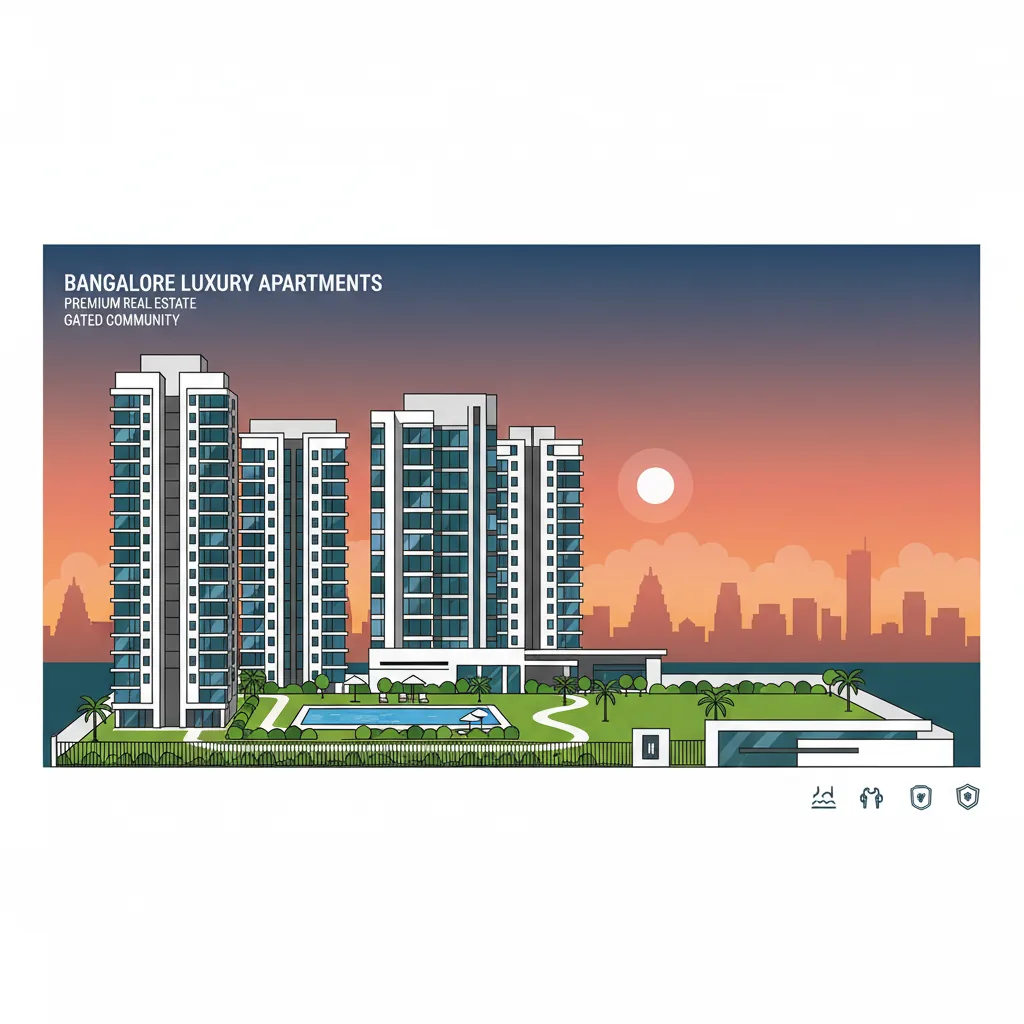
The Lifestyle Shift: Modern buyers are moving away from cramped standalone structures toward massive, forest-themed gated communities. Driven by tech professionals working along the Outer Ring Road (ORR) and Electronic City, premium 2, 3, and 4 BHK high-rises here are seeing high rental demand and healthy occupancy rates.
3. Electronic City & The Yellow Line Belt (Value Spot)
As a massive, established IT and manufacturing hub housing hundreds of multinational corporate offices, Electronic City remains the go-to pocket for steady rental yields.
Unmatched Access: The elevated expressway allows signal-free travel directly into central Bangalore, while the seamless integration of the NICE Road allows professionals to reach Mysore Road and Western corridors without getting stuck in city gridlock.
Pricing Advantage: Average entry prices here remain highly competitive compared to the premium zones of JP Nagar or HSR Layout, making it an ideal micro-market for first-time homebuyers looking for dependable long-term equity growth.
South Bangalore Property Blueprint (2026 Index)
| Micro-Market | Average Price Per Sq. Ft. | 2026 Growth Potential | Primary Drivers |
|---|---|---|---|
| Kanakapura Road | ₹7,500 – ₹11,500 | High | Green Line Metro, Premium Townships, Open Spaces |
| Bannerghatta Road | ₹8,000 – ₹12,500 | Very High | Pink Line Transit, Proximity to NICE Road, Institutional Hubs |
| Electronic City | ₹6,000 – ₹9,000 | Stable / Value | Massive IT Employment base, High Rental Yields |
| JP Nagar & Jayanagar | ₹12,000 – ₹22,000+ | Premium / Stable | Luxury Redevelopments, Established Social Infrastructure |