Bangalore Real Estate 2026 Market
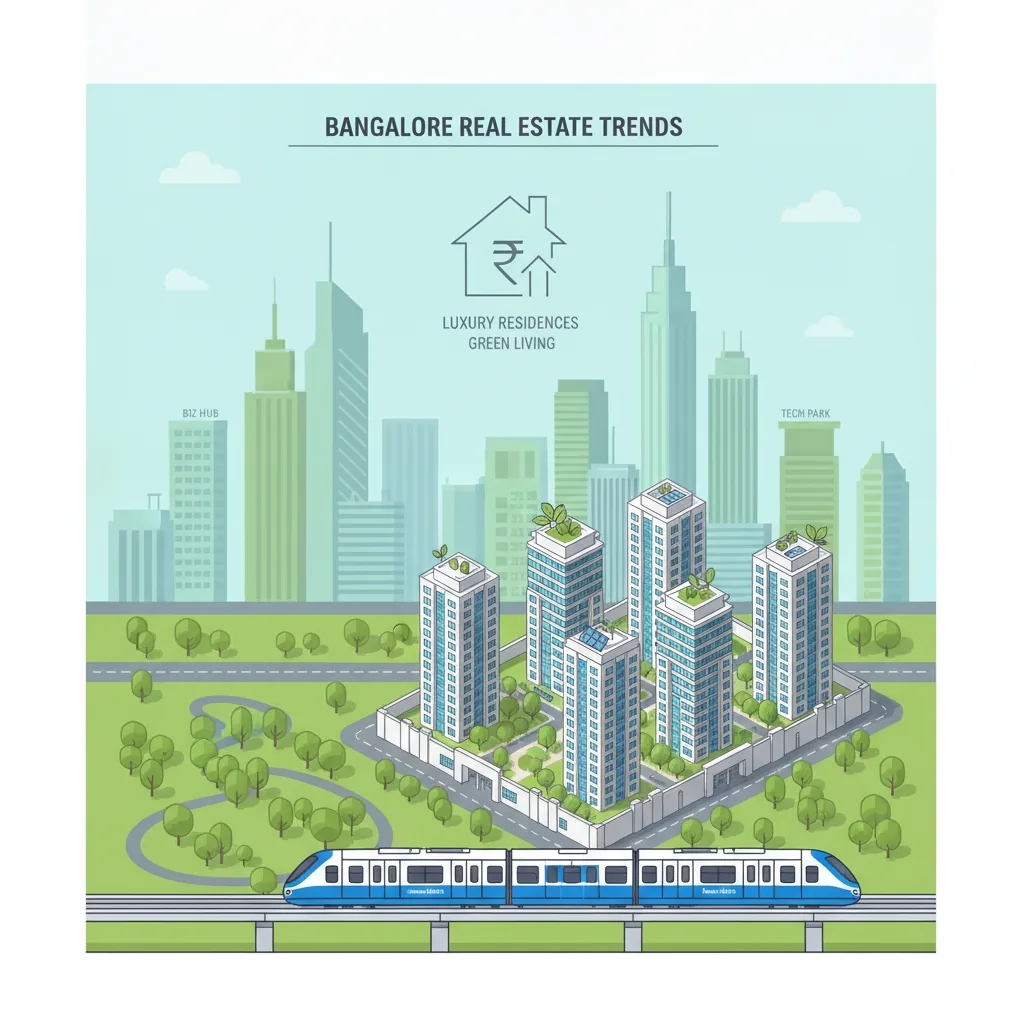
Bangalore real estate 2026 market is growing in a steady and healthy way, proving that the city is still a top place to buy property. Instead of the wild, sudden price jumps we saw in the past few years, this year is calm and stable. Buyers are being smart and practical. They are looking for high-quality homes, green spaces, and safe, gated communities. With more jobs opening up in big tech centers and the metro train tracks expanding fast, home sales are rising.
Property prices have gone up by 9% compared to last year, showing that the tech city is still a favorite choice for families and investors.
Key Trends Driving the Market in 2026
The biggest news this year is that more people want luxury homes. Buyers do not just want a basic apartment; they want a complete lifestyle. Because of this, the demand for larger 3 BHK and 4 BHK luxury flats is higher than ever before.
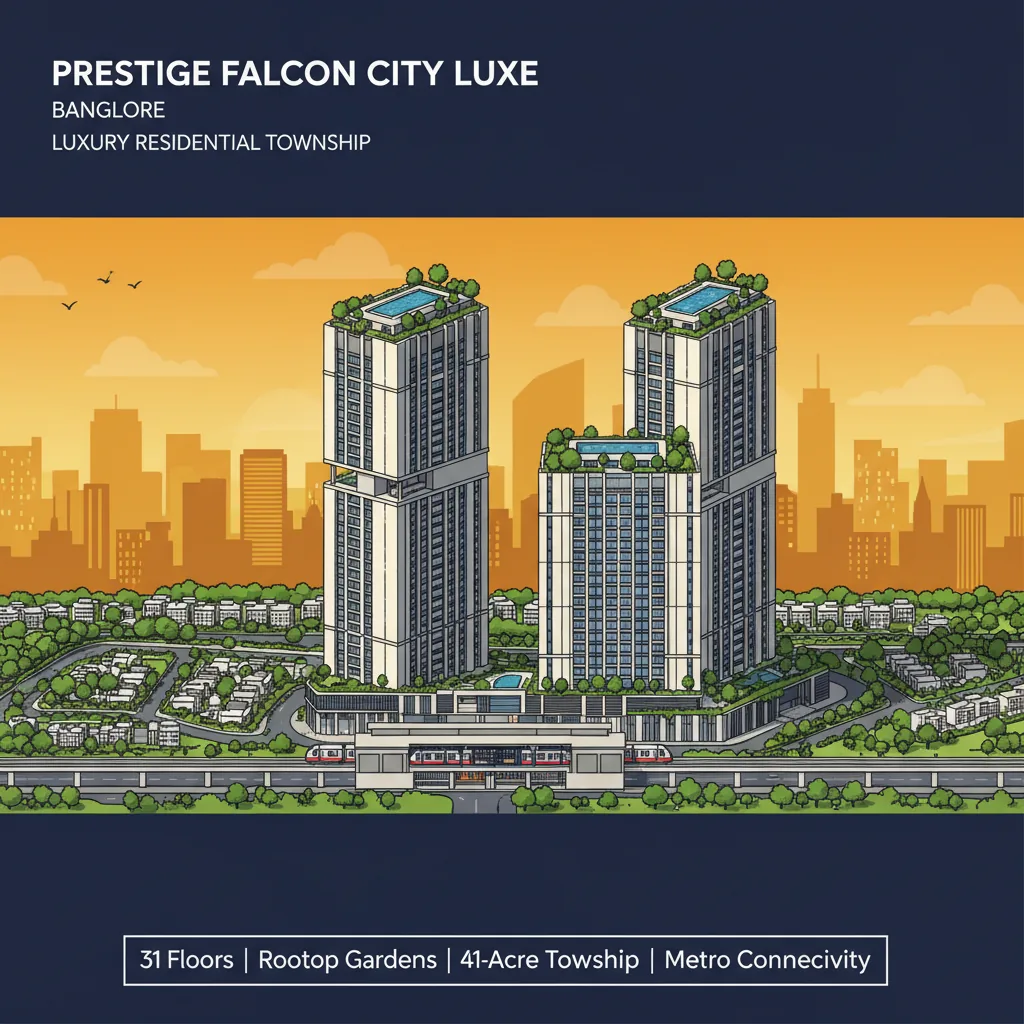
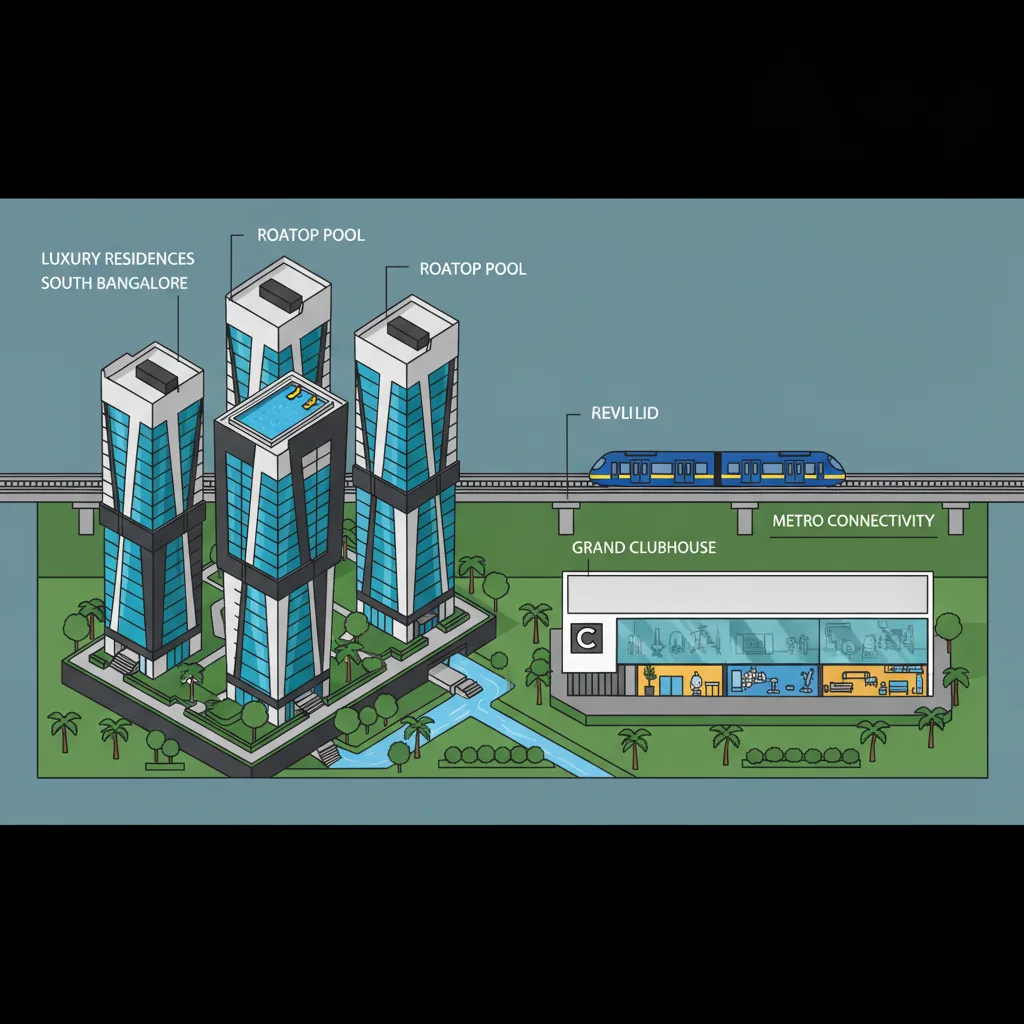
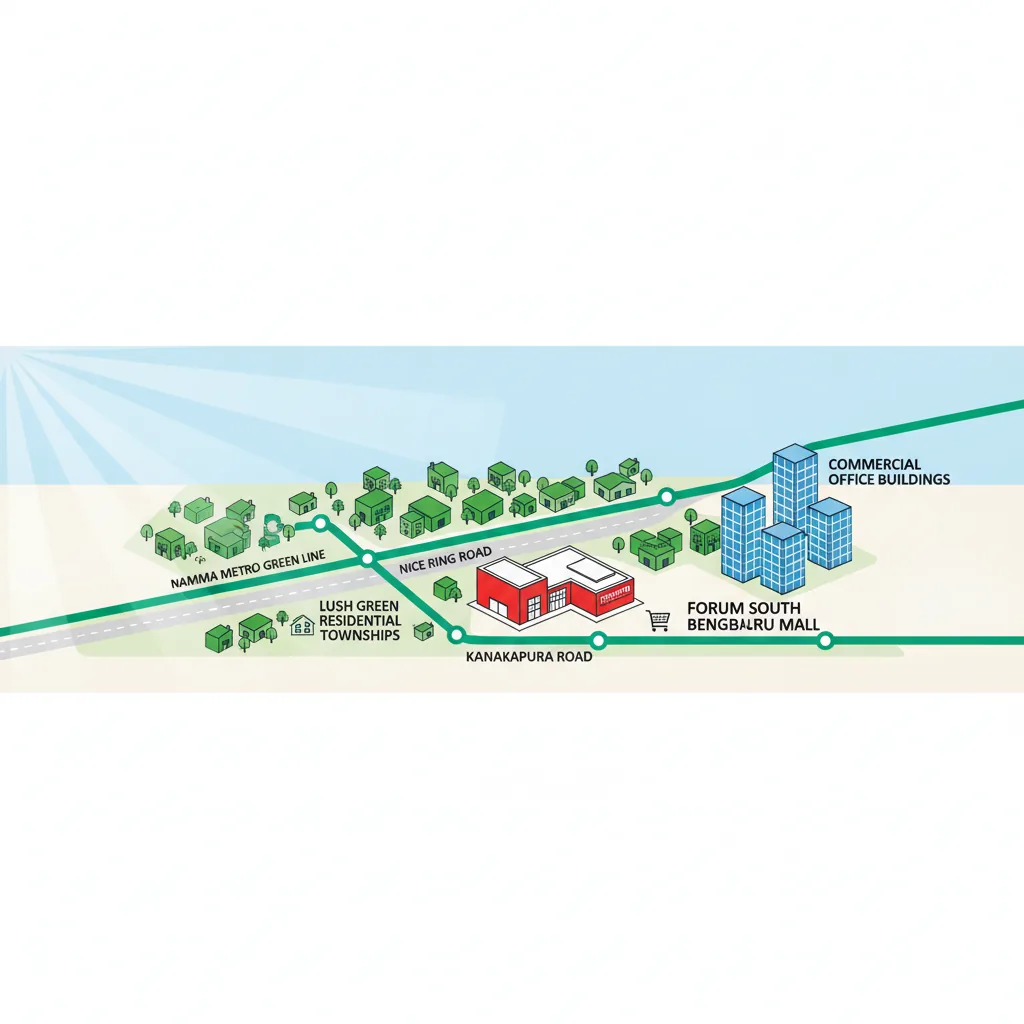
A great example of this trend is Prestige Falcon City Luxe on Kanakapura Road. This high-end, newly launched housing project by the Prestige Group spreads across 41 acres and features beautiful, tall residential towers with 31 floors. It offers exactly what buyers want in 2026: 80% open green space, a huge clubhouse with a swimming pool on the roof, and the great benefit of having the Forum South Bengaluru Mall right inside the community gates.
Three main things are shaping the market right now:
- The Metro Effect: Homes built within 1 kilometer of an open Namma Metro station see a 19% rise in demand.
- Suburban Growth: Areas in the North and South parts of the city are growing fast because of new mega roads like the Satellite Town Ring Road (STRR).
- High Rental Returns: Strong business growth means that renting out homes near IT parks brings in a steady 3% to 4.5% profit each year.
2026 Pricing Matrix: Prestige Falcon City Luxe
To help you plan your budget, here is the estimated price list and size guide for these premium luxury homes in South Bangalore:
| Configuration Type | Approx. Super Built-up Area | Indicative Price Range | Average Per Sq. Ft. Rate |
|---|---|---|---|
| 2 BHK Premium | 1,204 to 1,379 sq. ft. | ₹1.20 Cr – ₹1.46 Cr | ~₹10,500 / sq. ft. |
| 3 BHK Luxury | 1,588 to 2,172 sq. ft. | ₹1.60 Cr – ₹2.26 Cr | ~₹11,000 / sq. ft. |
| 4 BHK Ultra-Luxe | 2,689 to 2,726 sq. ft. | ₹3.00 Cr – ₹3.50 Cr | ~₹12,800 / sq. ft. |
Note: The final price depends on the floor you choose, corner locations, and the view from your windows (like looking at the garden or the lake). Buying early before the project gets its official RERA approval usually helps you get the lowest price.
Two Vital Factors Reshaping the 2026 Market
To understand why the property market is so strong right now, you need to look at two important factors this year.
1. The Rise of Tech-Driven Micro-Markets
The property map of Bangalore is changing. Tech areas like Outer Ring Road (ORR) and Whitefield are still very popular. However, new hubs focused on AI technology and aviation are creating high demand in nearby neighborhoods.
North Bangalore (near the airport) and South Bangalore (along Kanakapura Road) are seeing the most new projects. Working professionals are choosing these areas to enjoy a shorter daily travel time and a cleaner lifestyle with less traffic. This helps balance the demand for homes across the whole city instead of crowding just a few areas.
2. Strict RERA Compliance and Buyer Trust
Trust has reached a very high level in 2026 because the government is strictly enforcing Karnataka RERA rules. Today's buyers are very careful and do not buy from builders who have a history of delays.
Top-tier builders who finish their projects on time are selling their homes the fastest. RERA's strict rules on deadlines and money handling have removed untrustworthy builders from the market. This gives local families and Indians living abroad the confidence to invest their money into newly launched luxury projects.